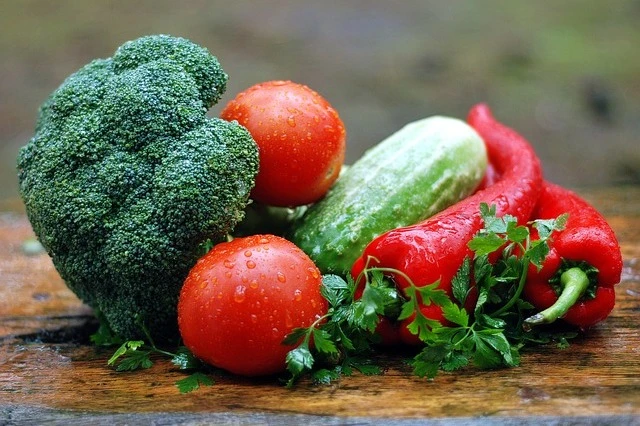
Name
Healthy and Sustainable Foods
Difficulty Level
Intermediate
Certification
Yes
Ongoing
Offered By
University of Michigan
Free
Course Details
The Healthy and Sustainable Foods course, offered by the University of Michigan through Coursera, is an accessible online program dedicated to exploring how our food choices can support both personal health and planetary sustainability. Designed for participants of all backgrounds and levels, this course provides a foundation in the scientific principles underlying nutrition, dietary risk, and environmental impacts, and empowers learners to make more informed food choices for themselves and their communities. Without prerequisites, it welcomes students, professionals, and anyone with an interest in the intersection of nutrition and environmental stewardship. Successful completion grants a shareable certificate from the University of Michigan, enhancing employability and credibility in fields such as nutrition, sustainability, or public health.
Core Content
The curriculum is organized into three major modules that collectively demonstrate the powerful links between what we eat and the health of both humans and the planet. Participants are introduced to core nutrition concepts and the science behind measuring the healthiness and sustainability of foods and diets. The course guides students through the use of quantitative tools to evaluate foods’ environmental impacts, such as carbon footprint and minutes of life lost or gained per serving, based on large datasets covering thousands of different foods. Learners develop a nuanced understanding of the Health Nutritional Index (HENI), learning to integrate healthiness and sustainability measures through practical frameworks. A key focus of the program is the application of data to real-life situations, where students assess popular diets and meal plans, analyze the implications of food choices for different genders or populations, and measure how targeted dietary changes can positively impact personal health and mitigate environmental degradation. These lessons are illustrated with real-world case studies, interactive activities, and spreadsheet-based analyses, creating an engaging and evidence-based learning experience.
Key Skills
As they progress, learners develop the ability to analyze dietary choices through the dual lenses of health and environmental sustainability, translating complex nutritional and ecological data into clear, actionable insights. The course builds proficiency in using spreadsheet tools for meal and diet assessments, risk analysis, and comparative evaluations across different food categories and eating patterns. By interpreting scientific evidence on health risks and environmental footprints, participants become skilled at identifying trade-offs between the healthfulness and sustainability of foods. The program fosters critical thinking and practical problem-solving, enabling students to evaluate and adapt diet plans not just for themselves, but also for a broader public audience or within professional food-related settings.
Target Learners
This course is ideally suited for a broad and diverse audience, including students, healthcare professionals, public health advocates, policy makers, and environmentally conscious individuals interested in the intersection of nutrition and sustainability. Its accessible design makes it equally appropriate for those with no background in food science or health, as well as those aiming to deepen their expertise or expand their professional credentials. Whether taken for personal development or career advancement, the program meets the needs of anyone looking to turn evidence-based knowledge into impactful food choices and advocacy.
Learning Format
The Healthy and Sustainable Foods course is delivered entirely online and is structured for flexible, self-paced learning. Engaging video lectures, comprehensive readings, interactive assignments, and auto-graded quizzes are combined to reinforce each lesson. Hands-on activities utilizing spreadsheets bridge theory and real-world practice, with opportunities for discussion and peer learning throughout. The course’s design encourages both independent study and active engagement, culminating in a certificate of completion from the University of Michigan that can be shared on professional networks such as LinkedIn, providing tangible recognition of new skills and knowledge.
Additional Benefits
By the end of the course, participants gain the confidence and capability to make food choices that benefit both individual well-being and global sustainability goals. The curriculum is shaped by cutting-edge research and leading best practices in nutrition and environmental data science, ensuring relevance in today’s rapidly evolving food landscape. Graduates join an active, worldwide community of learners on Coursera, sharing perspectives and resources to promote healthier and more sustainable food systems. The program is distinguished by its attention to equity, encouraging critical reflection on dietary patterns and sustainability across genders, cultures, and socioeconomic contexts, thus preparing learners to become advocates for positive change and responsible leadership in their families, workplaces, and communities.
Browse more ESG courses and certifications to enhance your skills and knowledge.
ESG Educate
Unlocking Opportunities
Dive into the world of ESG Events, where you can discover crucial gatherings that shape the future of sustainability. From insightful conferences to interactive workshops, these events offer invaluable opportunities to stay informed, connect with industry leaders, and drive impactful change. Whether you‘re seeking to enhance your ESG strategy or stay ahead of regulatory trends, participating in these events is essential for staying at the forefront of sustainable practices and innovation. Join us in shaping a more sustainable future through knowledge sharing and collaborative action at ESG Events.